





The Siege of Survival: A Comprehensive Strategic Blueprint for Last War
In the brutal, post-apocalyptic landscape of Last War: Survival, success is not merely a product of reflex or luck; it is the culmination of meticulous long-term planning, resource allocation, and alliance synergy. For the uninitiated, the game may appear to be a straightforward zombie-shooter, but beneath the surface lies a complex 4X strategy engine that rewards those who treat their base like a living economy and their squad like a specialized military asset. Ascending to the highest ranks of power requires a fundamental shift in perspective—from a lone survivor to an Architect of War.
This guide is designed to navigate the granular complexities of base development, hero optimization, and alliance politics. We will bypass the rudimentary mechanics to focus on the "Meta" systems that define the high-level experience: efficient research paths, squad composition theory, and the tactical timing of recurring events. Whether you are aiming to dominate your server or simply survive the next zombie siege, these strategies will provide the framework needed to ensure your base thrives while others crumble.
1. The Foundation of Power: Headquarters and Early Growth Strategy
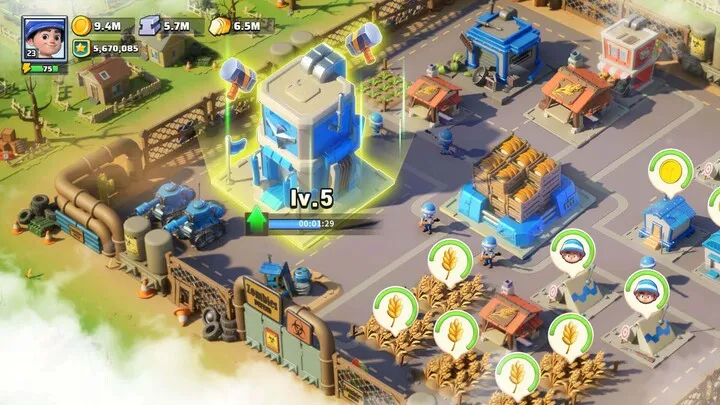
The Headquarters is the singular pulse of your base. Every decision regarding building upgrades, research, and troop tiering flows from its level. In the early stages (HQ 1-10), your objective is rapid expansion, but avoid the trap of "maxing out" every building. Instead, adopt a "Lean Development" model: prioritize only the buildings explicitly required for your next HQ upgrade. This conserves vital resources for when the time-to-upgrade spikes significantly in the mid-to-late game.
As you transition into the mid-game (HQ 10-25), the focus shifts from raw construction to bottleneck management. Barracks and Training Grounds must be kept in lockstep with your HQ level to ensure constant, high-tier troop production. It is imperative to never let your builders sit idle, but reserve your precious speed-ups for HQ and Tech Center upgrades exclusively. Misspending these items on early-level defensive structures is a common error that stifles growth for weeks.
The Builder Priority
To maximize efficiency, unlocking additional builders is the highest value "quality of life" investment you can make. With multiple queues running, you can ensure that your research and construction cycles remain continuous, allowing you to hit the milestone of Tier 10 (T10) troops well before the average player on your server.
2. Research Philosophy: The Tech Tree Hierarchy
Tech Center research is the most efficient way to generate permanent, compound power. Many players waste resources blindly researching everything; elite players follow a strict hierarchy: Development, Alliance Duel (VS), and then Special Forces. Development research provides the foundational speed boosts to construction and research, creating a feedback loop that saves thousands of hours over the game's lifecycle.
Once the Development tree is optimized, your focus must pivot to the Alliance Duel (VS) research. This tree is essential because it scales your performance in weekly events, which are the primary source of endgame materials. Do not worry about "Units" or "Hero" research in the very early stages; focus on these after you have stabilized your economic and VS-related research, ensuring that every research hour contributes directly to your long-term resource efficiency.
3. The Meta of Squad Composition and Hero Synergy
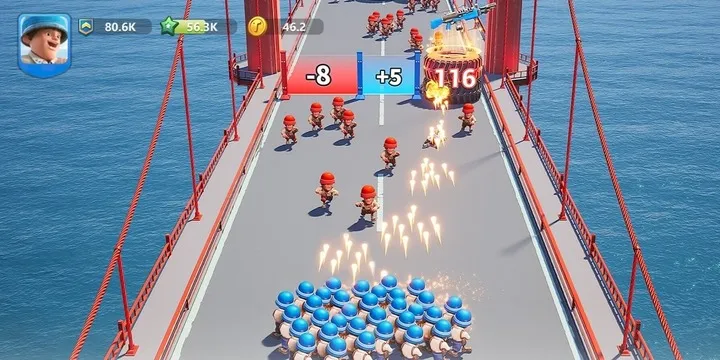
In Last War, synergy is far more impactful than raw individual power. The game utilizes a Rock-Paper-Scissors system—Tanks > Missiles > Aircraft > Tanks—that dictates combat outcomes. A common beginner mistake is building a "Jack-of-all-trades" squad. Instead, specialize in one troop type as early as possible. Focusing your research and gear on a single primary squad will make you significantly more dangerous than a player who spreads their resources across three mediocre, mixed-type squads.
Current meta trends favor high-survivability tanks in the frontline (such as Murphy and Williams) paired with high-burst damage dealers in the backline (like Kimberly or Stetmann). A full 5-hero squad of the same type provides a 20% stat bonus, which is non-negotiable for high-level PvP. As your server progresses past Day 70, the meta often shifts toward Aircraft-heavy teams, so plan your hero recruitment and investment strategy based on these long-term trends rather than short-term gains.
Core Synergy Principles
- Frontline: Prioritize defense-oriented heroes who can absorb damage and crowd-control enemies.
- Backline: Deploy high-DPS heroes that benefit from the buffs provided by your frontline supports.
- Role Uniformity: Always aim for a 5-hero bonus to maximize your HP, Attack, and Defense percentages.
4. Hero Upgrade Path: Quality Over Quantity
Resources like Hero EXP, shards, and medals are finite. The most effective strategy is to "tall-build" rather than "wide-build." Choose a core team of five heroes and push them to 4-star rank before investing in any secondary heroes. A 4-star hero unlocks critical skill bonuses that can completely flip the outcome of an Arena battle or a boss encounter.
When upgrading skills, prioritize the primary skill that influences your hero’s main output (damage for DPS, damage reduction for tanks). Expertise skills are unique because they do not require tiered leveling, making them excellent candidates for your first investments. Remember, an SSR hero that is maxed out is vastly superior to a UR hero that is stuck at 1-star; do not let the rarity color trick you into neglecting your workhorse units.
5. Gear Management: The Mythic Strategy
Gear management is the secret to breaking into the top tier of power. Legendary (Orange) and Mythic (Red) gear should be the only items you invest deep resources into. For your DPS heroes, the priority should be Gun > Chip > Radar, as raw damage output is the most vital stat for clearing PvE stages and winning offensive PvP. Conversely, for your tanks, prioritize Armor and Radar to ensure they remain alive long enough for your damage dealers to do their work.
Every piece of gear has major power spikes at the 2-star and 4-star marks. Rather than spreading 1-star upgrades across your entire roster, concentrate your prints into reaching 4-star on your main carry’s gear. This strategy creates a "hyper-carry" unit that can often single-handedly dismantle lower-level teams, allowing you to dominate event leaderboards even while the rest of your squad remains in a development phase.
6. Alliance and Social Dynamics: The Power of Cooperation

Joining an active, high-ranking alliance is not optional—it is a core mechanic for survival. Beyond the social aspects, alliances provide critical construction speed buffs, shared rewards, and the necessary muscle for tackling Alliance Rallies. In Last War, you are only as strong as your alliance's collective power during events like the Zombie Siege or Alliance Duel.
If you aspire to be a valued member, adopt the "Alliance First" mentality: never start rallies during event downtime, share your free teleports to stay near teammates for defense, and consistently donate to alliance research. Active alliances often coordinate their efforts to ensure every member contributes to the weekly VS milestones. Being a reliable partner earns you loyalty, protection, and priority for the best rewards, which is the fastest way to get ahead as a non-spender.
7. Event Management: Timing the Burst
Last War is a game of cycles. The weekly Alliance Duel (VS) event is the primary engine for your growth. To be successful, you must learn to "hoard." Do not open your resource chests or drone component chests during the week; wait for the specific "Age of Science" or "VS Day" when you can earn massive points for these actions.
This behavior, often called "double-dipping," allows you to rank significantly higher in leaderboards without spending extra money. By timing your building completions, troop training sessions, and research spikes to align with the corresponding event days, you effectively turn your daily gameplay into a recurring event reward. The goal is to spend your resources when they generate the most "points per unit," not when you feel like clicking a button.
8. Managing the World Map: Efficiency in Agriculture
The World Map is your source of raw materials and tactical maneuvering. When gathering, focus on high-yield tiles and always use your "Treasure Hunter" hero bonuses if available. A subtle but effective "pro-tip" is using minimal squads for gathering—if you need to clear the map, send out multiple marches with single-hero squads. This maximizes your footprint on the map without draining your primary combat squad’s stamina.
When dealing with base attacks or defense, keep your integrity in mind. If you are at a disadvantage, it is often smarter to uncheck the "Defend" box to avoid wasting hours of healing time. If your base begins to burn, manage the integrity manually; if it drops to zero, you will be teleported to a random location, which can be disastrous for your alliance’s coordination. Always keep your base shielded during the "Enemy Buster" day of the Alliance Duel unless you are actively participating in combat.
9. Ethics and Diplomacy: Surviving the Server
Server politics are the unseen layer of Last War. Most servers eventually establish a Non-Aggression Pact (NAP), usually known as NAP-10 or similar. Respecting these pacts is vital for your long-term survival. Plundering resources from players on your own server is a quick way to get your alliance blacklisted or your base permanently targeted.
Instead, focus your aggression on inter-server events and NPC threats. If you are part of a smaller alliance, seeking a merger or an "academy" relationship with a larger, dominant alliance can provide you with the protection you need to grow without fear of harassment. Survival in Last War is as much about who you know as it is about how many tanks you have in your garage.
10. Conclusion: The Long Game
Mastering Last War: Survival is a marathon, not a sprint. The early-game rush is exhilarating, but the late-game is defined by sustainability and strategic foresight. By prioritizing HQ and Tech Center development, specializing your squad composition, and meticulously timing your resource usage for event days, you position yourself to thrive in an environment designed to wear down the disorganized.
Your progression should be a steady, calculated climb. Keep your builders busy, your tech center running, and your alliance loyal. Remember that every small decision—whether it's choosing to save a chest for a higher HQ level or focusing your gear prints on a single radar—adds up to a massive competitive advantage. In the end, the ruler of the wasteland is not the one with the most gold, but the one who best managed their time and their team.