.webp)





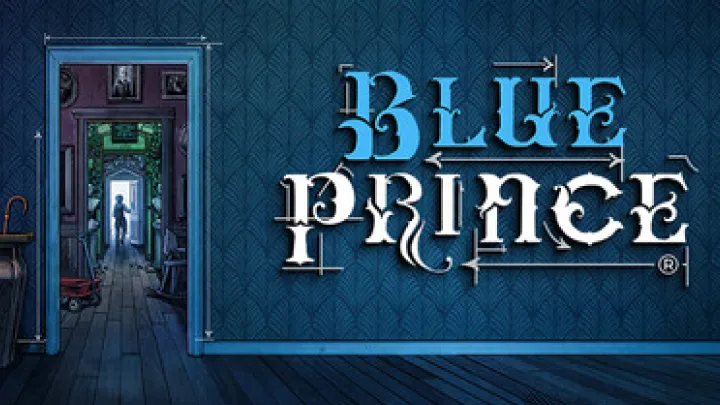
Blue Prince is an indie adventure game that has garnered attention for its heartfelt narrative and engaging gameplay. Set in a beautifully crafted world, the game explores themes of friendship, loss, and self-discovery. However, one of the most significant issues within Blue Prince lies in how effectively it conveys its emotional themes through gameplay mechanics and narrative structure. This article delves into the intricate balance between storytelling and gameplay in Blue Prince, examining the impact of player choices, character development, and the overall narrative experience.
The Premise of Blue Prince
Setting and Atmosphere
At its core, Blue Prince tells the story of a young hero on a quest to save a kingdom from an encroaching darkness. Players traverse a visually stunning landscape, ranging from lush forests to eerie dungeons. The atmosphere created through sound design and music plays a crucial role in immersing players in the game world. Each region is designed to elicit specific emotions, reinforcing the narrative's core themes.
Characters and Relationships
The characters are deeply intertwined with the game's emotional storyline. Players encounter a variety of characters, each with their unique backgrounds and motivations. The relationships formed throughout the game significantly influence the overall experience, with interactions often leading to pivotal decisions that shape the narrative's outcome.
The Role of Player Choices
Importance of Decision-Making
One of the standout features of Blue Prince is its focus on player choices. Decisions made throughout the game impact not only the storyline but also character dynamics and possible endings. This interactive element invites players to invest themselves emotionally, knowing their choices have meaningful consequences.
Branching Storylines and Endings
The game boasts multiple branching storylines, enhancing replayability while allowing players to explore different facets of the narrative. Choices made during key moments lead to various endings, each reflecting different aspects of the protagonist's journey. This multitude of outcomes underscores the weight of player decisions and encourages deeper engagement with the character's emotional arc.
Emotional Engagement and Character Development
Building Relatable Characters
The design of characters in Blue Prince transcends typical archetypes. Each character is crafted with depth and nuance, from their backstory to their dialogue. Distinct personality traits and flaws make them relatable, allowing players to connect with them on an emotional level. Players often find themselves empathizing with the characters’ struggles and triumphs, adding weight to the decisions they must make.
The Evolution of Relationships
As players progress, relationships evolve based on choices and interactions. Friendships can deepen, while trust can be shattered, significantly altering the course of the narrative. The emotional stakes heighten when characters’ fates become intertwined, reinforcing the impact of decisions. This aspect serves to immerse players in the narrative fabric, making them feel as though their choices genuinely affect the characters’ lives.
The Balance Between Gameplay and Narrative
Integrating Mechanics within the Story
Blue Prince demonstrates a robust integration of gameplay mechanics and narrative elements. Puzzles and challenges are often designed to align with the emotional tone of specific scenes, reinforcing thematic resonance. For instance, solving a puzzle might coincide with a character moment, drawing players deeper into the emotional experience of the narrative.
Potential Pitfalls of Gameplay Mechanics
However, the balance between gameplay and narrative requires careful navigation. Moments where gameplay mechanics feel contrived or forced can disrupt the emotional flow. Some players report frustration when engaging in mechanics that feel disconnected from the narrative or when they break immersion, leaving a gap between story and gameplay. Effective pacing is essential to ensure these elements work together harmoniously.
Sound and Music as Emotional Drivers
The Impact of Sound Design
Sound design plays a pivotal role in shaping emotional resonance in Blue Prince. Ambient sounds enhance the immersive atmosphere, while character voices enrich interactions. Players often note how the sounds of the environment contribute to their sense of presence within the game world.
The Score: Building Emotional Peaks
The musical score elevates emotional moments, amplifying the impact of key scenes. Composed with care, the music ranges from poignant melodies during moments of introspection to more vibrant themes during action sequences. The synchronization of the score with significant plot points enriches the emotional experience, ensuring players feel the weight of the characters’ struggles and victories.
The Challenge of Representation
Addressing Social Themes
Blue Prince delves into themes of friendship, loss, and resilience. However, the representation of these themes must be handled with care. The game has received both praise and critique regarding how effectively it tackles complex social issues such as grief and personal growth.
The Risk of Oversimplification
While attempting to present deep themes, there’s a risk of oversimplification. Critics note that some interpretations may feel superficial, falling short in the nuanced portrayal of sensitive topics. Striking a balance between accessibility and depth is crucial for the narrative's effectiveness; players need to feel that the representation of themes is authentic and resonant.
Reception and Community Engagement
Player Feedback and Impact
Since its release, Blue Prince has generated a diverse range of feedback from its gaming community. Players have praised the emotional depth and storytelling but have also expressed concerns about pacing and gameplay balance. Community forums and social media discussions highlight the importance of player input in shaping the ongoing development of the game.
The Game's Lifespan in Community
The continued engagement of players provides valuable insights into improving gameplay mechanics and narrative structure. A dedicated community can extend the lifespan of a game, influencing developers to adapt and fine-tune elements based on collective player experience. This relationship fosters community-driven growth and evolution within the game.
Looking Ahead: Future Developments
Expanding the Narrative Universe
With the success of Blue Prince, there are opportunities to further expand its narrative universe. Sequels or expansions could deepen character exploration, offer new challenges, and introduce fresh environments that further develop the game’s world while remaining true to its emotional core.
Innovations in Gameplay and Story Integration
In future installations, introducing innovative gameplay features that enhance narrative engagement could elevate the experience. Mechanisms such as cooperative play or enhanced decision trees might deepen relationships and broaden character arcs, allowing for even greater emotional impact.
Conclusion
Blue Prince serves as a compelling example of how emotional storytelling can be integrated into gameplay mechanics. The challenges of balancing realism, narrative depth, and player engagement shape the game’s identity. By leveraging player choices, crafting relatable characters, and employing thoughtful sound design, the developers create an immersive and emotionally resonant experience. However, navigating the balance between gameplay mechanics and narrative is a continuous process, requiring ongoing dialogue with the player community and a commitment to authenticity in representation. The future of Blue Prince hinges on its ability to adapt and grow while remaining true to the heartfelt experiences that have endeared it to many players.